
Machine Learning
Machine Learning lets apps recognize patterns, learn continuously and make data-driven predictions to support better decisions.
The ability of machines to learn.

Predict future behavior
Machine Learning (ML) is the process by which apps develop pattern recognition, or the ability to learn continuously and make predictions based on data.
It consists of a series of algorithms capable of analyzing large amounts of data to deduce the optimal result for a given problem.
The result of applying ML: high-value predictions for making better decisions and developing better business actions.
The challenge of getting value from data has been greatly simplified, since, with quality data and the right technologies and analytics, it is now possible to build behavioral models to analyze large, complex volumes of data.
In addition, these systems deliver fast, accurate results without human intervention, even at large scale.

What does it take to build a good ML system?
- Data preparation resources
- Basic and advanced algorithms
- Automation and iterative processes
- Scalability
- Ensemble modeling
How can ML help you?
Artificial intelligence makes it possible to securely process and analyze large, complex volumes of data throughout their entire lifecycle. All of this to achieve better products, more efficient software and optimized production.
- Product and tool design
- Intelligent automation
- Predictive maintenance
- On-site data use
- Data querying
- Closed-loop analysis services
- Online support services using expert systems
- Predictive learning
- Intelligent communication systems
- Calculation of component health and service life
- Weather forecasting systems
- Fraud detection
- Failure prediction
- Natural language processing
- Quality control
- Resource optimization
- Social media behavior
- Smart vehicles
Advantages of Machine Learning
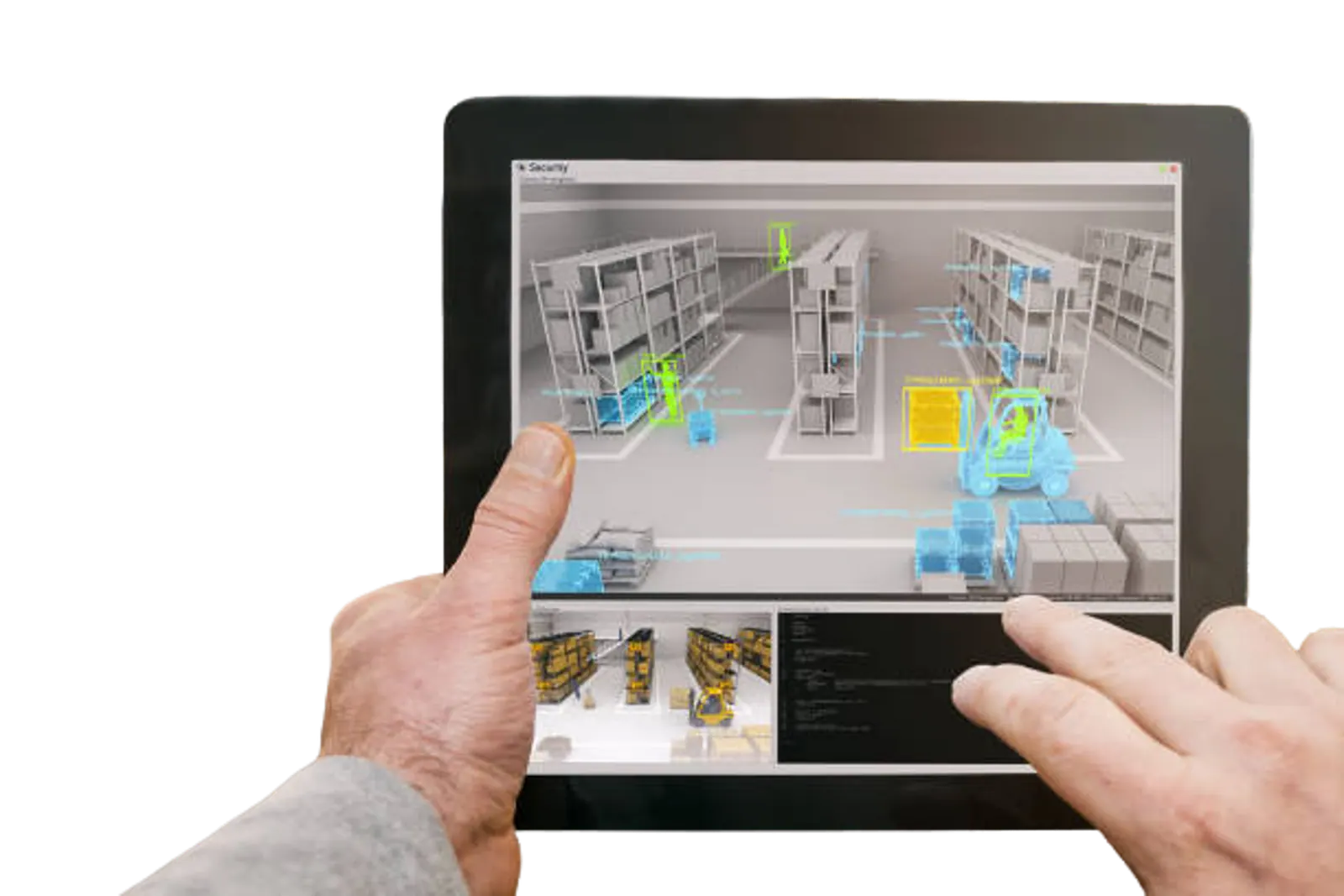
Adopting Machine Learning solutions is a valuable resource across virtually the entire supply chain, which makes its application one of the essentials of Industry 4.0. The main benefits include:
Predictive capability
It provides a higher level of planning. Companies have a clearer view of what lies ahead and will act accordingly, anticipating market changes and needs.
Customer preferences
By knowing customers’ tastes and preferences, companies can offer the services and products that best fit their needs, thanks to a detailed analysis of tastes and behaviors, to gain real-time control of the data which, in turn, generates automatic responses.
Process automation
Through an efficient workflow, it allows human resources to work more effectively on tasks that add value, by automating repetitive tasks.
Better equipment performance
Thanks to predictions of future breakdowns, you can avoid unexpected failures and production stoppages, as well as estimate the service life of components for early replacement.
Cost savings
One of the consequences of increasing worker efficiency is a reduction in company costs. In addition, ML can reduce costs even further, since it also makes it possible to predict which services or products may be in greater demand, so business and sales opportunities can be found without spending as many resources.
Better user experience
It makes it possible to improve the UX of any company or business. The system collects data on the user’s usual behavior on the platform, and the algorithm analyzes it in order to predict their behavior and adapt to it.